FAQs
5/27/2026
Contents



A push mower air filter needs attention when the engine starts coughing, losing power, burning more fuel, or giving off black smoke. Foam filters can usually be washed, dried, and lightly oiled, while paper filters should be tapped clean or replaced if oily or brittle. Keeping the filter clean helps protect the carburetor and engine.
Operating a machine in a dusty backyard makes the air intake system the first line of defense. Knowing how to clean push mower air filter components is the simplest way to prevent engine stalls and ensure a clean cut every time you step onto the lawn. Neglecting this small part often leads to poor performance, excessive fuel consumption, and expensive repairs that owners avoid through ten minutes of work.
Owners of traditional gas-powered units or those looking to upgrade to a high-efficiency push mower find that understanding the mechanics of air intake is crucial. This guide covers the various filter types, the detailed cleaning process, and why keeping this small component clean is the secret to a long-lasting engine.

The primary job of an air filter is to prevent dust, dirt, grass clippings, and debris from entering the engine’s combustion chamber. During a typical session on a 0.5 acre lawn, a mower kicks up a significant amount of particulate matter. If the filter is clogged, the engine must work harder to pull in air, leading to several issues.
By prioritizing the cleaning air filter on push mower routines, you extend the life of your equipment and ensure that every cut is as powerful as the first.
Before you begin, you must identify which type of filter your mower uses. Most modern machines utilize one of three designs:
1.Foam Filters:These are common in smaller engines. They look like a sponge and rely on a light coating of engine oil to "trap" dirt particles within the foam structure.
2.Paper Filters:These resemble the pleated air filters found in cars. They are made of high-density paper and are designed to provide a large surface area for filtration. Generally, these are meant to be replaced, but light cleaning can extend their life.
3.Dual-Element Filters:These combine both worlds. A foam "pre-cleaner" sits over a pleated paper filter. The foam catches the large chunks of grass, while the paper catches the fine dust.
Cleaning an air filter is a straightforward DIY task that requires minimal tools. Gather the following before you start:
Follow these steps to ensure a thorough cleaning without damaging your engine.
Step 1: Safety First
Before touching any internal component, disconnect the spark plug wire. This prevents the mower from accidentally starting if the blade is turned. Ensure the engine is cool to the touch.
Step 2: Open the Filter Housing
Locate the air filter cover, usually a plastic box on the side of the engine. Some covers snap off, while others require a screw to be loosened. Carefully remove the cover and the filter inside.
Step 3: Evaluate the Condition
Check if the filter is simply dusty or if you see push mower oil in air filter surfaces. If the filter is soaked in oil (often caused by tilting the mower the wrong way during blade sharpening), it usually needs to be replaced rather than cleaned, as oil can clog paper pores permanently.
Step 4: Cleaning Filters
If you have a foam filter, wash it in warm, soapy water. Squeeze it (do not wring or twist, as this can tear the foam) to remove dirt. Rinse with clean water and let it air dry completely. Once dry, apply a small amount of clean engine oil to the foam, then squeeze it in a clean cloth to remove the excess oil. It should feel tacky, not dripping wet.
For paper filters, gently tap the filter on a flat surface to knock off loose debris. You can use a vacuum or low-pressure compressed air from the inside out to blow out dust. If the paper is stained, oily, or brittle, replace it immediately.
Step 5: Wipe the Housing
Use your damp rag to wipe away any dirt inside the plastic housing. Be very careful not to push dirt into the throat of the carburetor (the hole leading into the engine).
Step 6: Reassemble
Place the filter back in the housing, ensuring it fits snugly against the seals. Replace the cover and reconnect the spark plug.
You don’t always need to wait for a scheduled maintenance date to check your filter. Your mower will often tell you when it’s struggling. Look for these warning signs:
The frequency of maintenance depends heavily on your local environment and the specific time of year. While the general rule of thumb suggests an inspection every 25 hours of engine operation, varying conditions require more frequent attention.
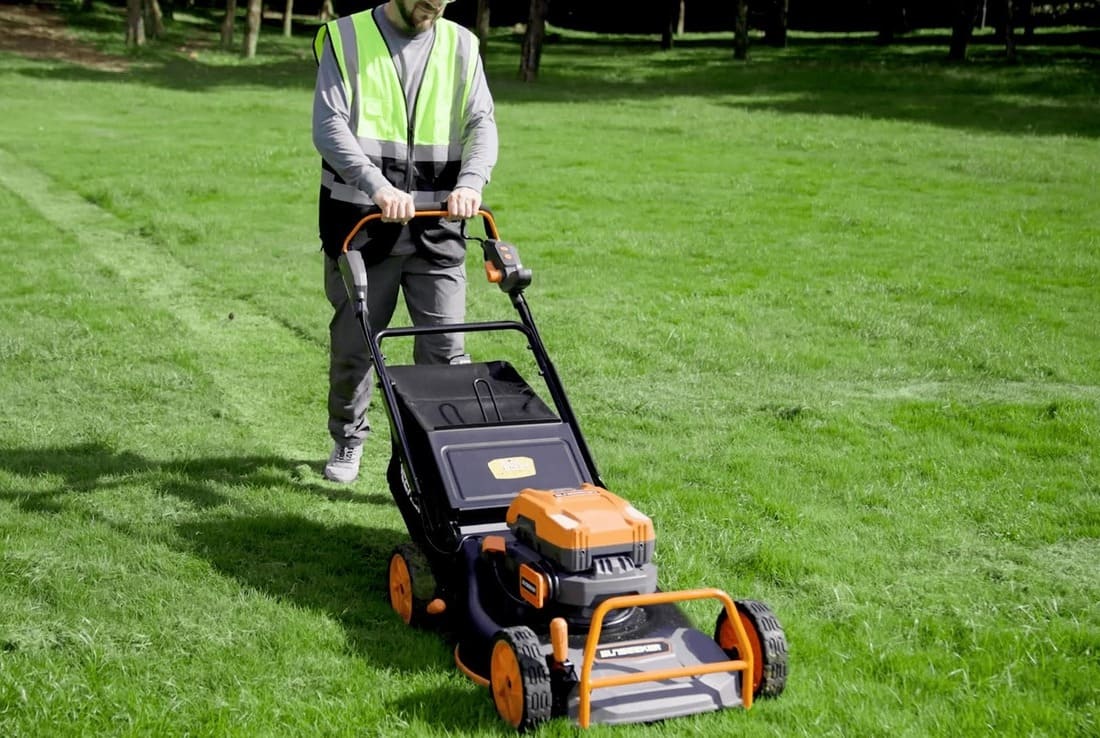
For those who want to avoid these maintenance cycles entirely, the Sunseeker Elite Lawn Mower (Plug-in Connect) offers a maintenance-free 22 in steel deck. This model features a dual-blade system that delivers a cleaner cut with each pass, while the electric motor eliminates the need for air filters, oil changes, and spark plug maintenance. With zero filters to clean, you can focus purely on the 3-in-1 grass handling—mulching, bagging, or discharging—to get the perfect finish every time.
Learning how to clean push mower air filter components is a fundamental skill for any homeowner. It ensures your mower runs efficiently, saves you money on fuel, and prevents premature engine wear. By following the simple steps of washing foam or dusting paper, you keep your yard work running smoothly.
However, as lawn care technology evolves, many are choosing to move away from gas-related maintenance. If you are tired of dealing with push mower oil in air filter issues or the smell of gasoline, the Sunseeker Elite electric lineup offers a powerful, quiet, and maintenance-free alternative. Whether you stick with gas or go electric, a clean machine is the key to a beautiful lawn.
Cleaning is possible for most foam elements using soap and water, followed by a light oil coating. Paper filters allow for light cleaning by tapping away dust or using compressed air to blow out debris. However, if a paper filter is stained or oily, replacement is the only safe option for your engine.
To clean the filter, remove the housing cover, extract the filter, and identify the material. Wash foam elements with mild soap, dry them, and apply a light coat of oil. For paper elements, tap them against a hard surface or use a vacuum to remove dust. Always wipe the housing clean before reassembling.
A dirty filter restricts the oxygen required for proper combustion, causing the engine to struggle or stall. This leads to wasted fuel, higher emissions, and potential engine damage from overheating. Over time, dust bypassing a filthy filter can ruin the carburetor and internal cylinders, resulting in a very expensive repair bill.


