FAQs
December 09, 2025



Robotic lawn mowers are gaining widespread popularity as an efficient and convenient solution for modern lawn care. Advances in technology have made these devices more affordable while significantly expanding their capabilities and features.
This guide provides a comprehensive overview of robotic mowers, covering key technologies, cost analysis, troubleshooting tips, and maintenance requirements. Through this detailed exploration, you will gain the insights needed to determine whether a robotic mower is the right choice for your home and lifestyle.

The operation of a robot lawn mower represents a sophisticated integration of multiple technologies designed to perform what was once a manual chore with remarkable precision and autonomy.
The "brain" of a robotic lawn mower is its navigation system, with various technological approaches offering distinct advantages and limitations:
Wire-Guided Boundary Systems
Technology Principle: This classic, reliable solution requires users to install a perimeter wire around the lawn and obstacles before use. The mower detects the electromagnetic signal emitted by this wire to define its working area.
Advantages: Relatively low cost, mature technology with proven reliability. Performance is unaffected by weather conditions, lighting, or GPS signal availability.
Disadvantages: Complex and time-consuming installation process. Physical wires must be buried or secured, making it difficult to adjust lawn boundaries later. Wires can potentially be damaged by gardening activities or small animals.
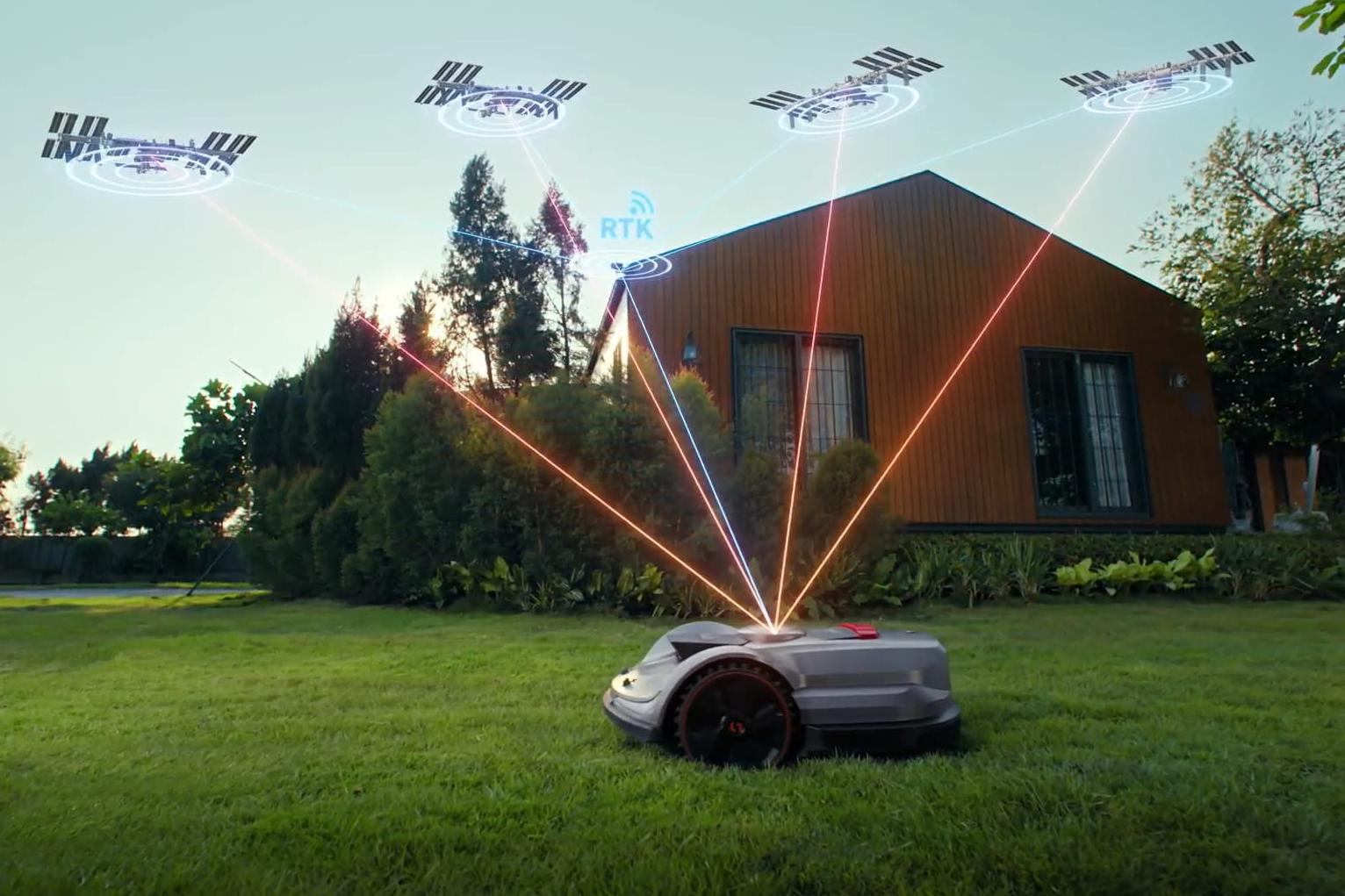
Satellite Navigation Systems (GPS/RTK)
Technology Principle: Utilizes Global Positioning System signals. High-end models employ Real-Time Kinematic (RTK) technology for centimeter-level precision, creating virtual boundaries.
Advantages: Extremely simple installation with no physical wires required. Virtual boundaries can be easily created and modified through a smartphone app. Capable of planning optimal, systematic mowing paths.
Disadvantages: Accuracy can degrade in areas with signal obstruction (near tall buildings, under dense tree canopies). Initial mapping requires good satellite reception.
Vision AI Navigation Systems
Technology Principle: Uses onboard cameras to "see" the environment in real-time, combined with artificial intelligence algorithms to recognize grass, boundaries, and obstacles.
Advantages: Completely wire-free setup. Can adapt to complex natural boundaries and learn the lawn layout. Generally good environmental adaptability.
Disadvantages: Performance may be affected by extreme lighting conditions (intense midday sun, low light at dusk). Requires sufficient processing power for AI algorithms.
LiDAR Navigation Systems
Technology Principle: Employs rotating laser sensors to scan the surroundings and build highly accurate 2D/3D maps of the environment.
Advantages: Provides precise distance measurement unaffected by lighting conditions. Creates extremely orderly and efficient mowing patterns. Excellent for complex gardens.
Disadvantages: Higher cost, typically found in premium models. The sensor requires occasional cleaning to maintain accuracy.
The cutting methodology of a robot mower is fundamentally different from traditional mowing. Instead of removing large amounts of grass every one or two weeks, robot mowers practice "grasscycling" – cutting very small amounts very frequently, often every other day. This approach has several key benefits:
Healthier Turf: Frequent, light trimming encourages grass to grow thicker and denser, naturally crowding out weeds.
Natural Fertilization: The tiny clippings decompose quickly, returning essential nutrients like nitrogen back to the soil, reducing or eliminating the need for synthetic fertilizer.
No Disposal Needed: The complete elimination of grass collection and bagging removes a significant chore from lawn maintenance.
Less Plant Stress: Avoiding the "scalp and recover" cycle of traditional mowing leads to a consistently healthier, more resilient lawn.
Safety and independence are engineered into the core design of modern robot mowers.
Automatic Halt Mechanisms: Lift and tilt sensors instantly stop the blade within seconds if the mower is picked up or overturned. Collision sensors and soft bumpers allow it to gently navigate around obstacles.
Weather Intelligence: Integrated rain sensors automatically pause mowing and command a return to the charging station during precipitation. Operation resumes once the lawn is dry.
Theft Deterrence: Features like PIN-code activation, alarm systems, and GPS tracking (on some models) help protect your investment.
Full Automation: From automatic docking and charging to scheduling and zone management via smartphone app, these mowers are designed for true "set-and-forget" operation.
The efficiency and final appearance of your lawn depend heavily on the mower's pathfinding logic.
Random Path Algorithms: Common in basic wire-guided models, the mower changes direction randomly upon hitting the boundary wire or an obstacle. It achieves full coverage over multiple sessions through probability, but can be less efficient and may leave inconsistent cutting patterns.
Systematic Path Planning: Used by most GPS and LiDAR models, this involves following organized, back-and-forth or spiral patterns (often user-selectable). This ensures methodical, uniform coverage and is generally more efficient, resulting in a clean, striped appearance.
AI-Optimized Routes: Advanced systems can analyze lawn shape and size to calculate the most efficient route, learn from past sessions to avoid tricky spots, and even adapt schedules based on grass growth rates predicted from weather data.
Zone Management and Edge Mode: For complex lawns, the app lets you create multiple zones with custom schedules, while a dedicated edge mode ensures precise trimming along borders. For example, advanced systems like those in Sunseeker models leverage smart navigation to execute these tasks seamlessly, delivering a consistently polished, professional-grade finish to your yard.
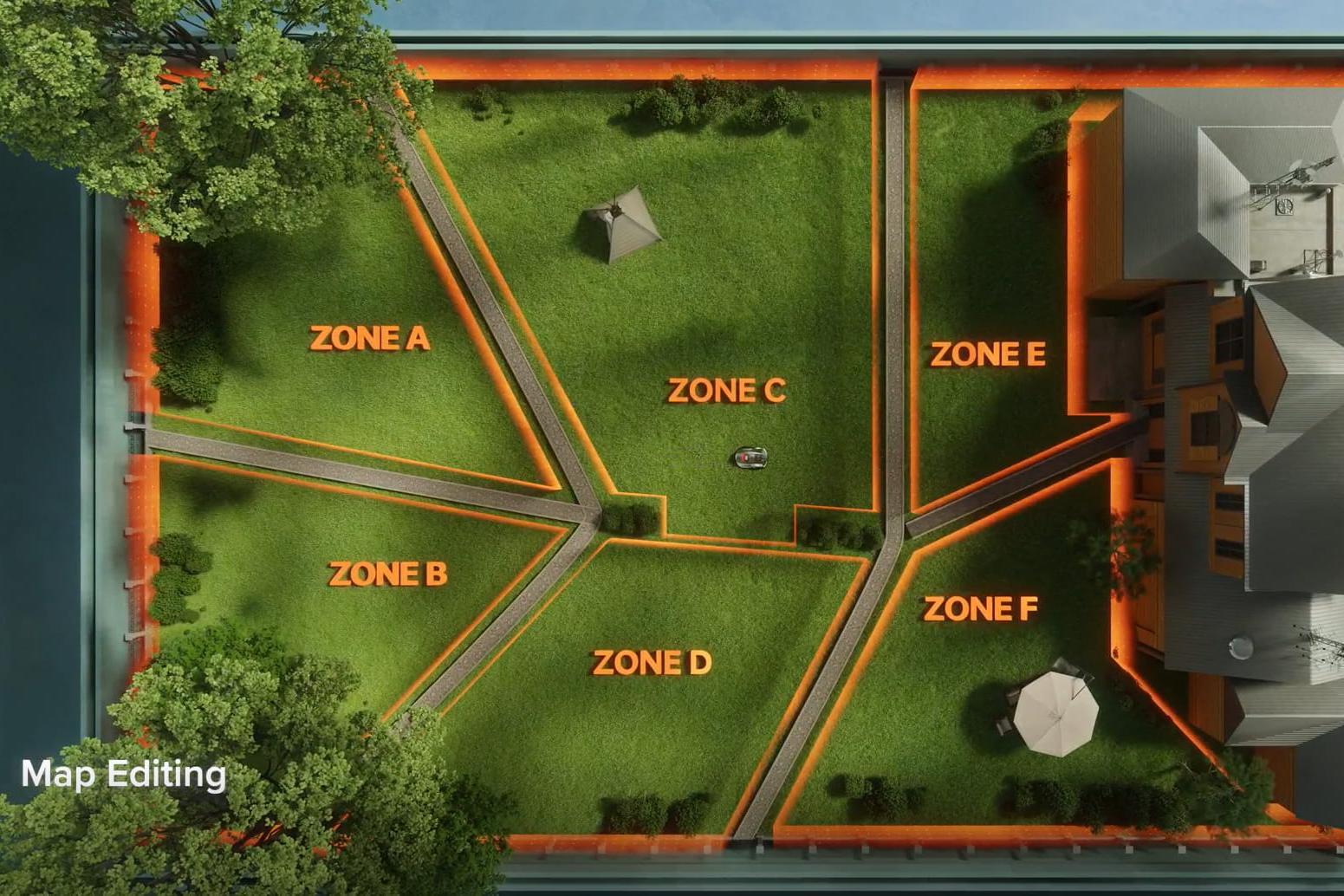
Sunseeker X7 smart app enabling multizone management control
With so many models available, knowing what to look for is crucial. Focus on these key areas to find the perfect match for your lawn.
The setup experience varies widely. Wire-guided systems require you to stake a boundary cable around your entire property, which can be a weekend project. GPS and vision-based systems offer a much more user-friendly, app-guided setup where you virtually map your lawn by walking its perimeter. Consider how much time and technical comfort you have for installation. Daily ease of use is also key; a well-designed smartphone app for scheduling, creating no-go zones, and monitoring progress is a major quality-of-life feature.
Not every mower fits every yard. First, match the model's maximum recommended area to your lawn size, adding a 20% buffer for optimal battery life. Second, check its slope rating. A 30% (17°) capability handles gentle hills, while models rated for 60% (30°) or more can tackle steeper terrain. Finally, consider complexity. Do you have many trees, garden beds, or narrow passages? Models with advanced navigation (like LiDAR or Vision AI) and a narrower cutting width perform better in intricate landscapes.
Your mower will live outside. A high waterproof rating (IPX5 or higher) is essential for reliability in rain and when dealing with morning dew. Look at the build quality of the chassis and wheels. Durable, rubberized wheels provide better traction. Battery technology matters too; Lithium-ion batteries offer longer life and consistent performance. A mower is a long-term investment, so choosing a robustly built model from a reputable brand pays off in longevity and fewer repairs.
Homeowners frequently debate whether a robot mower’s convenience and efficiency are worth the money, especially given the broad range of prices. This section provides a transparent breakdown of costs, from purchase price to long-term value, helping you evaluate the investment from every angle.
The price of a robotic lawn mower is primarily determined by its capabilities, cutting capacity, and the technology it employs. Generally, the market can be segmented into three tiers:
Entry-Level (Approx. €800 – €1,500): This tier is ideal for small, flat lawns (typically up to 1000m²). Models often rely on a perimeter wire for navigation, which requires manual installation. They offer core automated mowing, basic scheduling via an app, and essential safety features. They represent the most accessible point of entry into robotic lawn care.
Mid-Range (Approx. €1,500 – €2,500): Designed for small to medium lawns (1000m²– 2000m²) with moderate complexity, these models often feature more advanced navigation like GPS or hybrid systems for easier, wire-free or partially wire-free setup. They boast wider cutting decks, better slope handling (up to 25-30%), more durable construction, and more sophisticated app control with features like zone management.
Premium (Approx. €2,500 – €4,000+): Built for medium to large or complex lawns (2000m²and above), these mowers incorporate top-tier navigation such as high-precision RTK-GPS, LiDAR, or advanced Vision AI. They excel on steep slopes (45%+), offer extensive smart features, have large-capacity batteries for extended runtime, and are constructed with high-grade, weather-resistant materials for maximum durability.
If you would like to explore specific models and compare real-world pricing and performance, please check out The Best Robot Lawn Mowers: Upgrade Your Garden with No Effort. That guide highlights the top five robotic mowers for different lawn sizes and terrains, along with practical tips for choosing the model that best fits your needs.
When evaluating cost, it's critical to compare the Total Cost of Ownership (TCO) over a typical 5-7 year period, not just the purchase price. The following table provides a clear comparison for a standard 1200m² lawn:
|
Cost Category |
Gasoline Mower |
Electric Mower |
Robotic Lawn Mower (Mid-Range) |
|
Initial Purchase |
€200 – €500 |
€300 – €600 |
€1,500 – €2,200 |
|
Annual Fuel/Energy |
€100 – €150 (Gasoline, oil, spark plugs, air filters) |
€20 – €40 (Electricity for charging) |
€10 – €15 (Electricity for charging) |
|
Annual Maintenance |
€100 – €200 (Tune-ups, blades, parts) |
€30 – €80 (Blades, battery wear) |
€20 – €50 (Blade kits, occasional service) |
|
Major Replacement |
€200+ (Potential engine repair) |
€100 - €300 (Battery replacement every 3-5 years) |
€100 - €300 (Battery replacement every 3-5 years) |
|
Annual Time Cost (Valued) |
€300 – €500 (30–50 hours of labor) |
€300 – €500 (30–50 hours of labor) |
€40 – €60 (4–6 hours of management) |
|
5-Year Total Cost |
≈ €3,700 – €5,800 |
≈ €2,300 – €4,000 |
≈ €2,000 – €3,100 |
The data reveals a compelling story. While the robotic mower has a higher upfront cost, its dramatically lower annual operating, maintenance, and most significantly, time-related expenses cause the total cost lines to cross with traditional mowers within just a few years.
Even the best technology can hiccup. Here’s how to solve the most frequent problems.
If your mower is getting lost or missing spots, first ensure its navigation sensors (cameras, GPS antenna) are clean and unobstructed. For GPS models, check for signal interference from tall structures or dense tree cover. If boundaries are being crossed, recalibrate or remap your lawn in the app. Sometimes, overgrown grass along edges can physically push the mower off course, so maintaining tidy borders helps.
For app connectivity issues, restart both your phone and the mower. Ensure the mower's base station is within good Wi-Fi range, or consider a model with 4G connectivity if your yard has poor signal. Regularly installing firmware updates is crucial; these often contain bug fixes and performance improvements. If an error code appears, consult your manual that most brands have detailed online resources for each code.
Uneven cutting is often due to dull or damaged blades; replace them. If the mower struggles on slopes, check the tire tread for wear and ensure it's not overloaded with wet grass clippings. A sudden drop in runtime usually points to an aging battery. If the mower won't dock properly, clean the charging contacts on both the mower and the station, and make sure the station is on a perfectly level surface.
A little care goes a long way in ensuring your robotic helper works well for years.
After each mowing cycle, especially in wet conditions, quickly brush off clippings from the underside, wheels, and sensors. Every month, do a more thorough check: inspect the blade for nicks and wear, clear any debris wrapped around the axles, and wipe down the chassis. Keeping the mower clean prevents corrosion and ensures sensors and wheels can function properly.
Proper battery care is crucial for your robot mower’s performance and longevity. Avoid overcharging, as it accelerates battery degradation. Ensure the mower is fully charged but do not leave it on the charging dock for extended periods. For seasonal storage, keep the unit in a cool, dry place with the battery charged to around 50%. High humidity and extreme temperatures should be avoided, as they can hasten battery aging.
Plan for consumables. Stainless steel blades should be replaced every 2-3 months during the peak season for a clean cut. The main battery will typically last 3-5 years before needing replacement. Also, check wheel and tire condition annually; worn tires reduce traction, especially on hills. Using genuine manufacturer parts for replacements ensures compatibility and maintains performance.
Investing in a robot lawn mower offers long-lasting value—saving weekly maintenance time, reducing manual labor, and delivering consistently healthy turf with minimal effort. While the upfront cost is higher than traditional mowers, the long-term savings on fuel, servicing, and replacement parts create a clear financial advantage.
Modern battery systems and smarter navigation also ensure better efficiency, quieter operation, and dependable performance across the seasons. With proper care, a quality robot mower can operate for years and maintain a neat lawn without constant supervision. For those seeking convenience, sustainability, and a more automated lifestyle, a robot lawn mower is a smart upgrade. Start with a trusted choice like the Sunseeker X series.
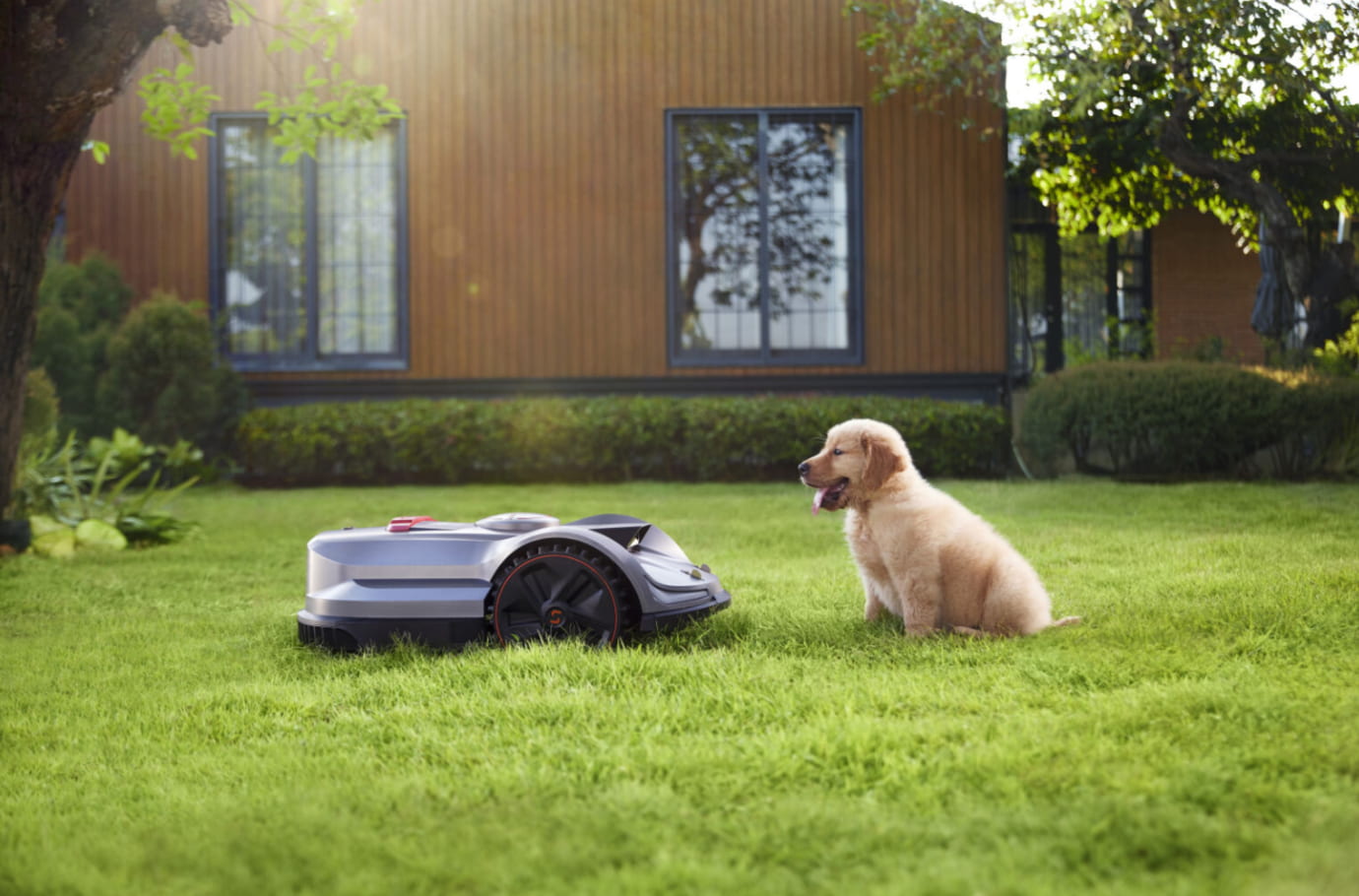
Robot mowers use multiple safety layers, including lift sensors, tilt shutoff, obstacle detection, and low-speed blades, to prevent accidental contact. Most models stop instantly when touched or lifted, making them safe for supervised use around pets and children.
Robot mowers handle frequent trimming and daily upkeep, keeping grass consistently neat. However, they won’t replace tasks like edging, fertilizing, aeration, or seasonal clean-ups. Many users pair robots with occasional professional services for best overall results.
Most modern models offer quick DIY setup through app-guided mapping or wireless boundaries. Even wired-boundary systems are manageable with basic tools. As long as the lawn layout is simple to moderate, installation is typically straightforward for homeowners.