FAQs
December 12, 2025



When winter arrives, it's tempting to close the garage door on your lawn care tools and forget about your yard until spring. But the truth is, what you do during the colder months can make all the difference between a lawn that struggles to recover and one that emerges vibrant and healthy.
Winter lawn care is about intelligent preparation and simple, consistent protection. This guide breaks down everything you need to know to safeguard your grass through the cold season and set the stage for a spectacular spring comeback.
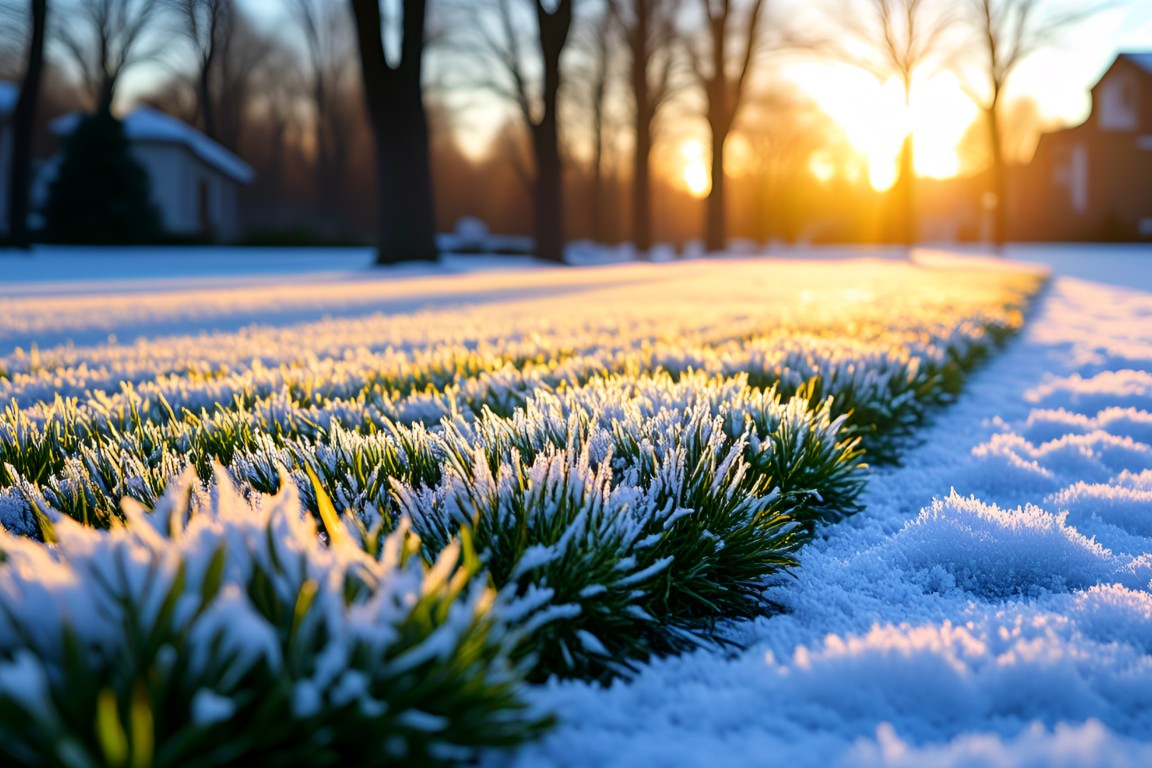
Think of late fall as your lawn's last chance to prepare for a long winter's rest. The steps you take during this transitional season build resilience against freezing temperatures, snow, and ice.
Your last mow of the season is critically important. Instead of cutting the grass very short, aim for a final height of about 2 to 2.5 inches. This length is ideal. Tools with accurate height calibration, such as Sunseeker’s robotic mowers, help ensure the lawn receives a uniform final trim before winter sets in.
Grass that is too short has reduced energy reserves and is more vulnerable to root damage from freezing. Grass that is left too long can mat down under snow, creating a perfect environment for fungal diseases like snow mold. Schedule this final trim a few days after the last fertilization, typically in late fall before the first hard frost.
Fall is the perfect time to aerate your lawn. Using a core aerator to pull small plugs of soil from the ground alleviates soil compaction that builds up over the summer. This process allows oxygen, water, and nutrients to reach the grass roots more effectively throughout the winter.
The holes also provide space for fall fertilizer to penetrate deeper into the soil, directly feeding the root system that remains active longer than the blades above ground.
Applying a "winterizer" fertilizer in late fall is one of the best things you can do for your lawn. Unlike spring fertilizers that promote quick blade growth, a winterizer is typically high in potassium. Potassium strengthens grass cell walls, improving the plant's tolerance to cold, drought, and disease.
Apply it when the grass has stopped growing upwards but the roots are still active, usually when daytime temperatures are consistently in the 40s and 50s Fahrenheit. This final feeding provides essential nutrients that are stored in the roots, fueling the first green shoots in spring.
Once winter truly sets in, your role shifts from preparation to active protection. The goal is to shield your lawn from the unique stresses of the season.
Snow mold appears as circular, grayish, or pinkish patches as the snow melts. Prevention is straightforward. Keep the lawn free of leaves and debris in the fall, as matted organic matter encourages mold growth. Avoid piling deep snow from driveways or paths onto the lawn, as this creates prolonged, wet, compacted cover. If you notice small areas of mold in spring, gently rake the affected spots to promote drying and air circulation; they often recover on their own.
When grass is frozen or dormant, it becomes brittle. Walking or playing on a frost-covered lawn can break the blades and damage the crowns, leaving visible brown footprints and compaction that lingers into spring. As much as possible, limit activity on frozen grass. Establish clear pathways to protect the main lawn area during the winter months.
Resist the urge to use rock salt or standard ice melt products on walkways adjacent to your lawn. The runoff can severely damage grass and alter soil chemistry. Instead, opt for pet-safe ice melters that contain calcium chloride or magnesium chloride, which are less harmful to plants. When shoveling snow, avoid piling it high on lawn edges where the weight and slow melt can suffocate the grass beneath.
Before storage, check for available software updates through your mower's app. Manufacturers often release improvements during the off-season. Complete any updates while the mower still has battery power and connectivity. Consider documenting your current settings, especially if you have complex schedules or zone configurations. Some users take screenshots of their app settings or make notes about preferred configurations for easy spring restoration.
Water management doesn't completely stop in winter, especially in certain climates. Balanced moisture is key to preventing both desiccation and rot.
In regions with dry winters and little snow cover, lawns can suffer from desiccation. If there has been no significant precipitation for over three weeks and the ground is not frozen, a deep midday watering on a warmer day can be beneficial. This prevents the roots from drying out completely. However, always ensure the water has time to soak in before temperatures drop again at night to avoid creating icy patches.
Poor drainage leads to standing water, which then freezes and can kill grass crowns. Before winter, identify and correct low spots in your yard. You can fill minor depressions with a topsoil and sand mixture, or consider installing a French drain for more serious drainage issues. Good fall aeration also dramatically improves the soil's ability to drain excess water away from the surface.
Even in winter, it's wise to check your lawn's moisture occasionally. A simple screwdriver test works. If you can easily push a screwdriver several inches into the soil, moisture is likely sufficient. If the ground is rock hard and dry during a warm spell in a dry climate, it may need water. This simple check helps you avoid both drought stress and over-saturation.
Your lawn's health depends on the tools you use to care for it. Properly winterizing your equipment protects your investment and ensures everything works when you need it.
For traditional gas-powered mowers, proper winter storage is essential to prevent spring starting problems. Add a fuel stabilizer to the tank and run the engine briefly to circulate it, preventing fuel degradation and carburetor clogging. Remove grass buildup from under the deck, sharpen the blades, and change the oil if needed.
For robotic lawn mowers, the preparation process is much simpler and entirely electric. Clean the body, wheels, and cutting area to remove debris, charge the battery to about 60% to maintain battery health, and store both the mower and charging station in a cool, dry place away from concrete floors. If stored long term, removing the battery can further protect performance.
If you have an in-ground sprinkler system, it must be blown out with compressed air before the first freeze. This process, known as winterization, removes all water from the pipes, valves, and sprinkler heads to prevent cracking from expanding ice. Hire a professional or rent a compressor to ensure it's done thoroughly. Close the main water supply valve to the system and drain any above-ground components.
Don't just toss your rakes, shovels, and garden forks into a damp corner. Clean off all soil and debris with a wire brush or hose. Dry metal parts thoroughly and apply a light coat of oil to prevent rust. Sand wooden handles and rub them with linseed oil to prevent drying and cracking. Organizing and maintaining your tools in the fall makes the first spring cleanup much more pleasant.
As winter loosens its grip, a gentle, observant approach will help your lawn wake up smoothly without added stress.
When the snow melts, take a slow walk around your yard. Look for the signs discussed earlier, like snow mold or salt damage. Check for areas where ice may have lingered and caused dead patches. Don't panic at the first sight of brown; much of it may be dormant grass that will green up as temperatures rise. Rake away any remaining leaves or debris to allow light and air to reach the soil.
Patience is key. Wait until the grass has clearly begun to grow and needs cutting. Mowing too early, especially when the soil is soft and wet, can compact the soil and tear young grass plants. Set your mower blade to a higher setting for the first few cuts, never removing more than one-third of the grass blade height at a time. Using a Sunseeker robotic mower during early spring helps maintain precise cutting control while protecting delicate new growth. This encourages deep root development and healthier turf.
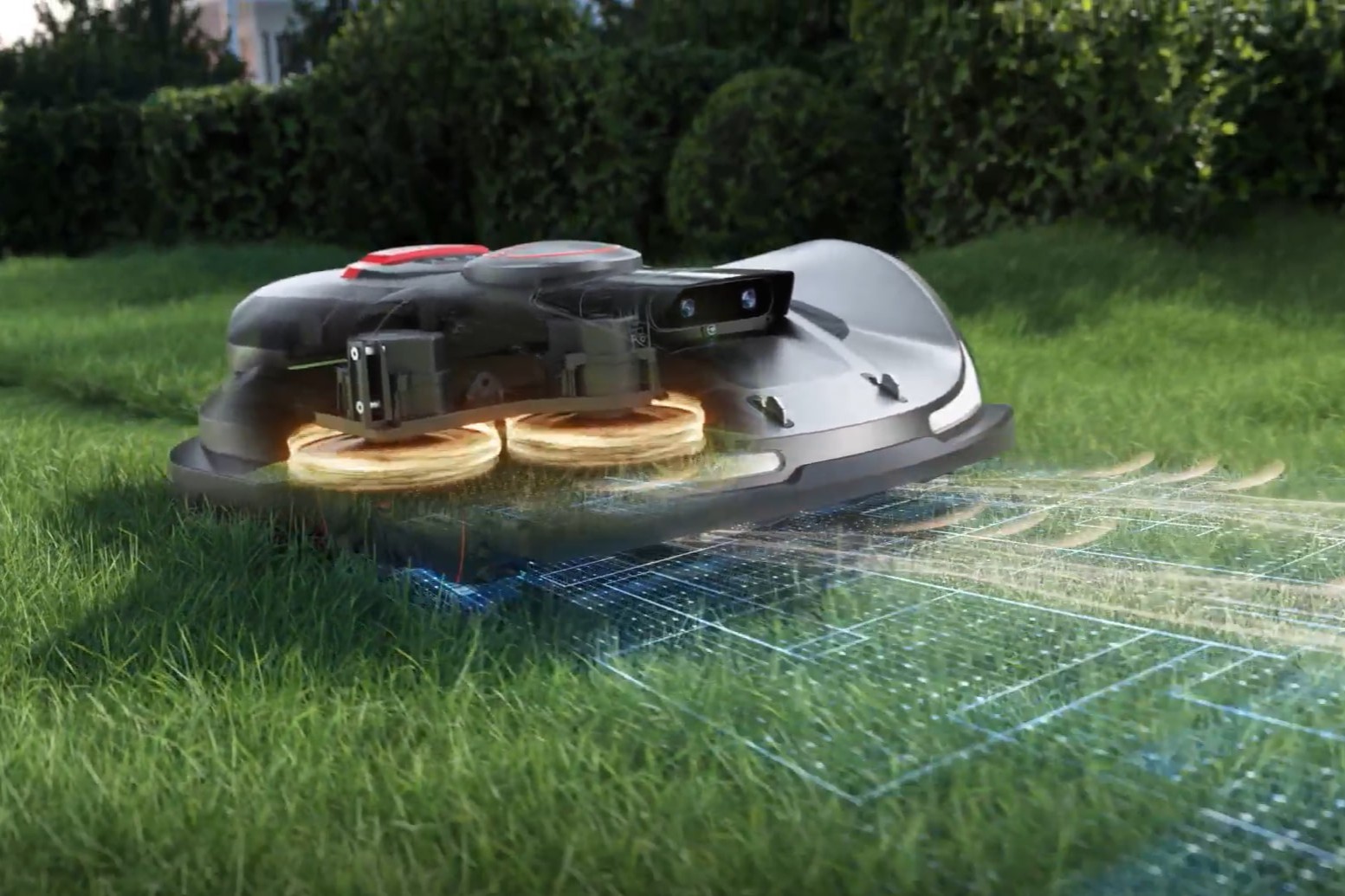
Sunseeker Robot Mower Performing Efficient Precision Mowing
Hold off on heavy fertilization until the lawn is actively growing and you've completed the first two mows. A light application of a balanced, slow-release spring fertilizer can then provide the nutrients needed for vigorous growth. This gradual reactivation supports the lawn's natural cycle and builds strength for the season ahead.
Winter lawn care is an exercise in foresight and gentle stewardship. By taking strategic steps in the fall, practicing mindful protection through the cold months, and patiently supporting recovery in spring, you do more than just maintain a lawn. You cultivate resilience in your landscape.
The reward for this seasonal attention is a lawn that not only survives the winter but uses it as a period of rest and strengthening, emerging ready to be the lush, green centerpiece of your outdoor space all summer long.
Yes. A thick layer of leaves blocks sunlight and traps moisture, creating ideal conditions for mold, disease, and pest habitats. Light layers can be mulched, but heavy coverage should be raked or blown away in late fall.
No. Walking on frost-covered grass can break the frozen blades and damage the plant crowns, leaving permanent brown footprints and compaction. Try to limit foot traffic on your lawn when frost is present.
No. Fertilizer should not be applied to frozen or dormant grass as it cannot be absorbed and may run off, polluting waterways. The ideal time for "winterizing" fertilizer is in late fall, before the ground freezes.